Gone to Earth
Gone to Earth - Limbo, Margate
6 - 14 June 2026
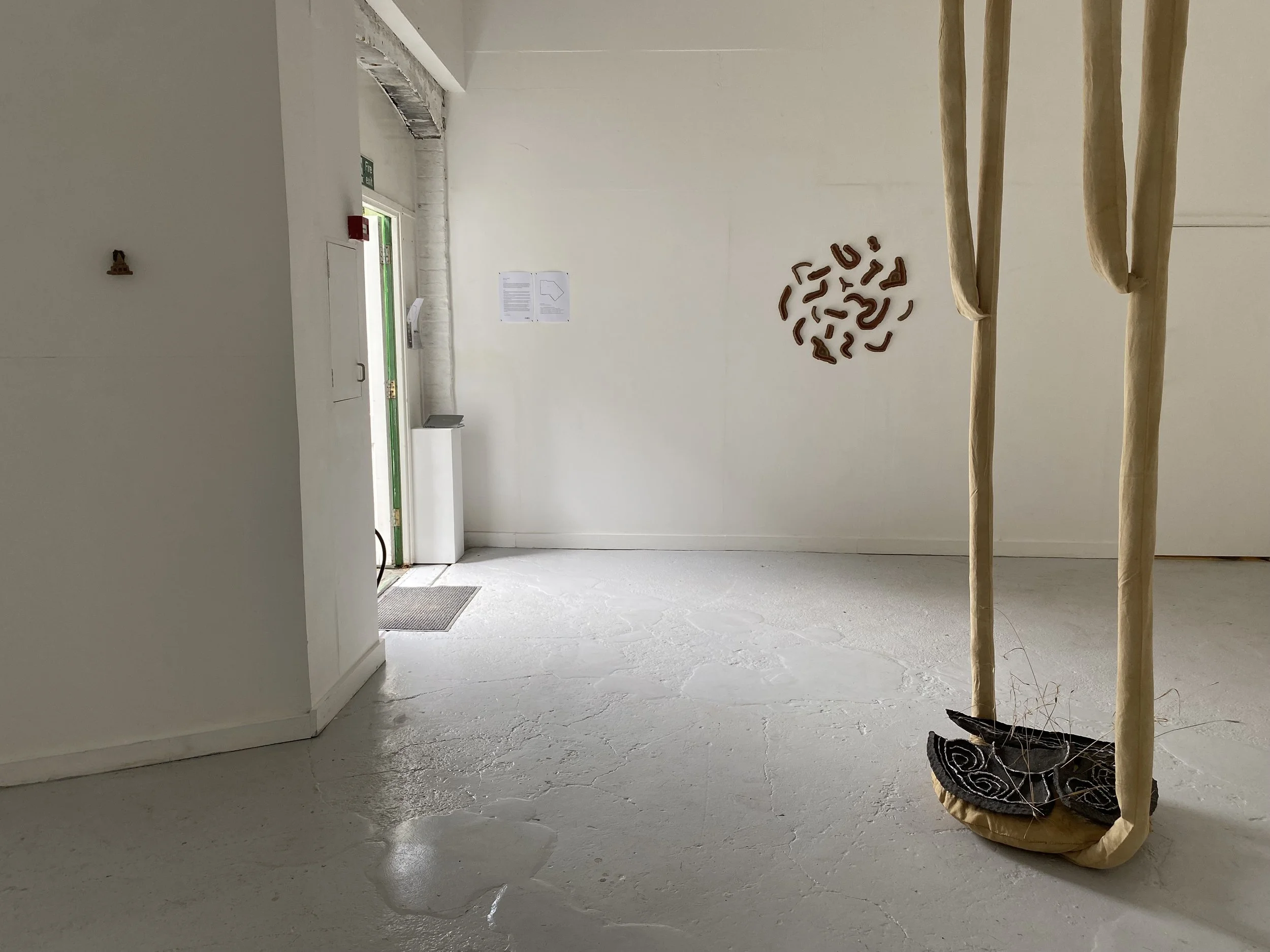
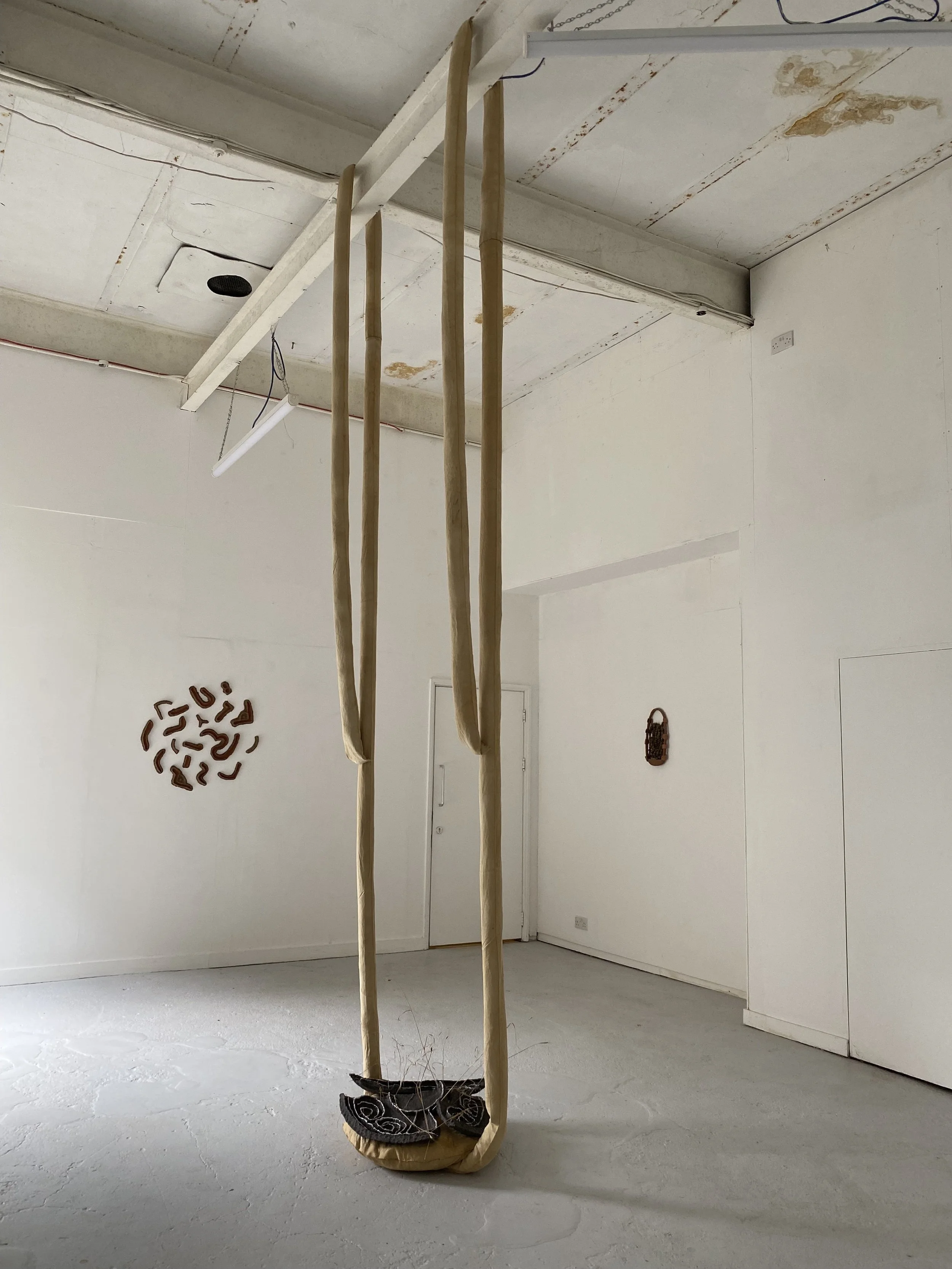
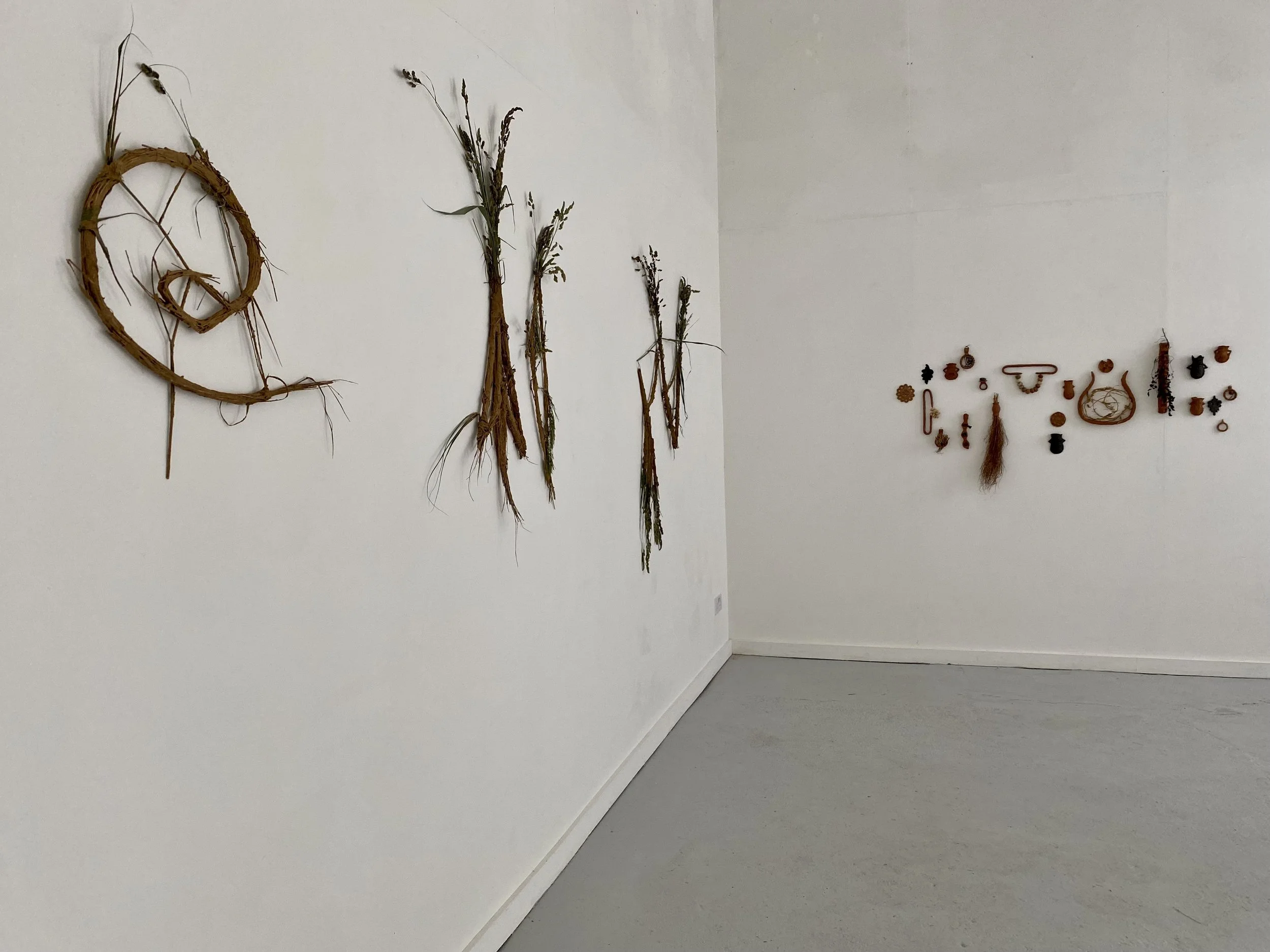
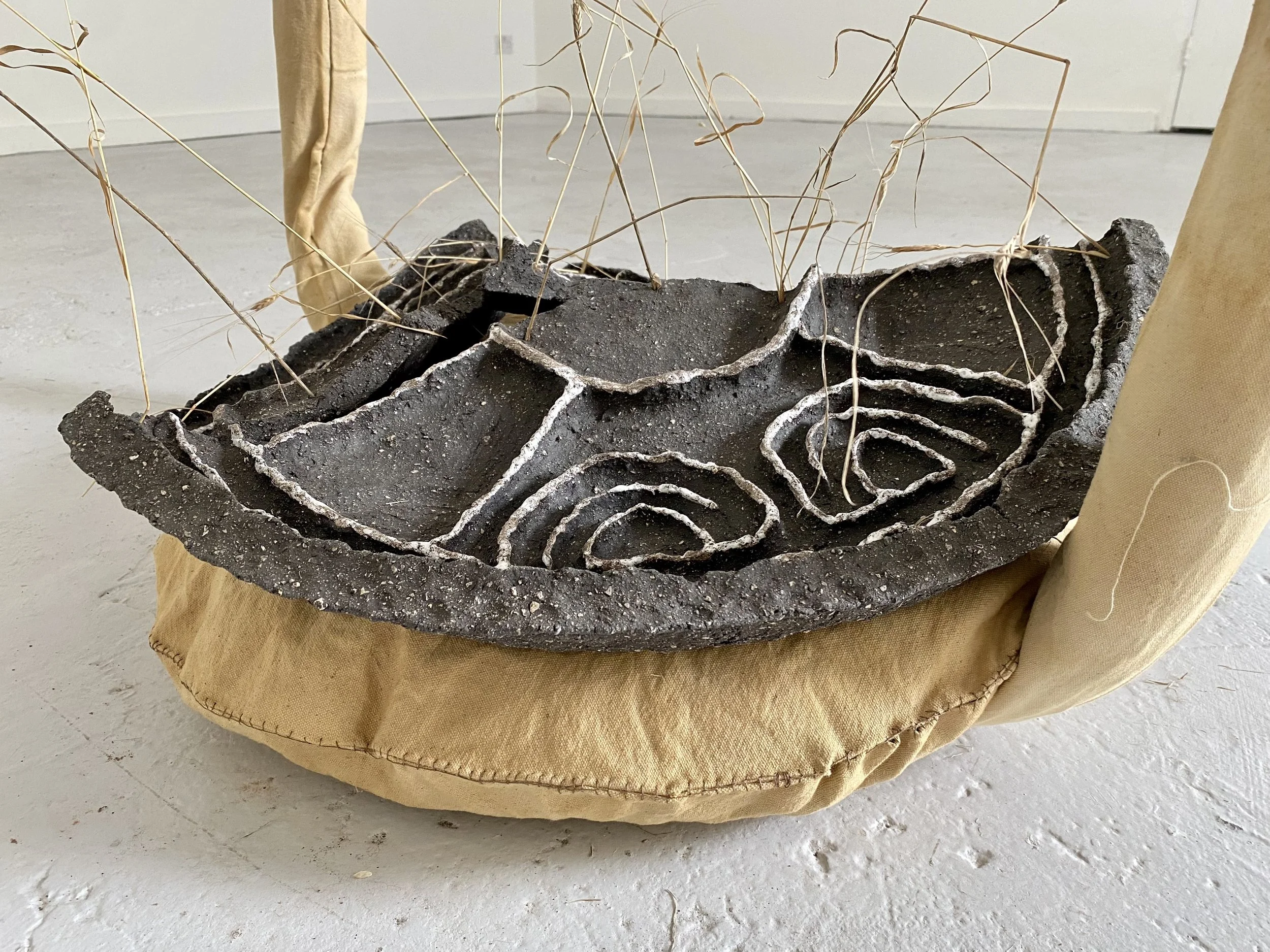
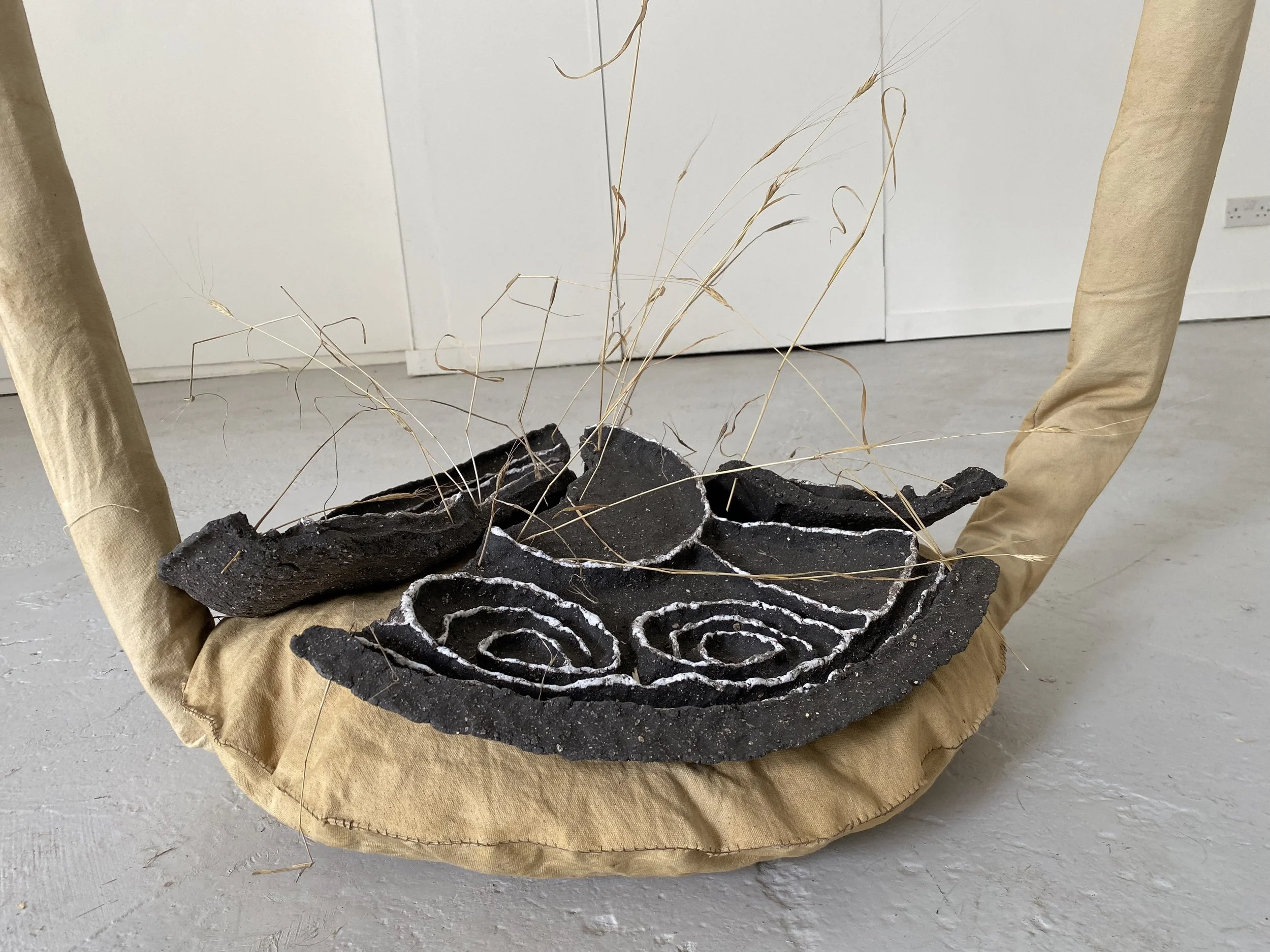
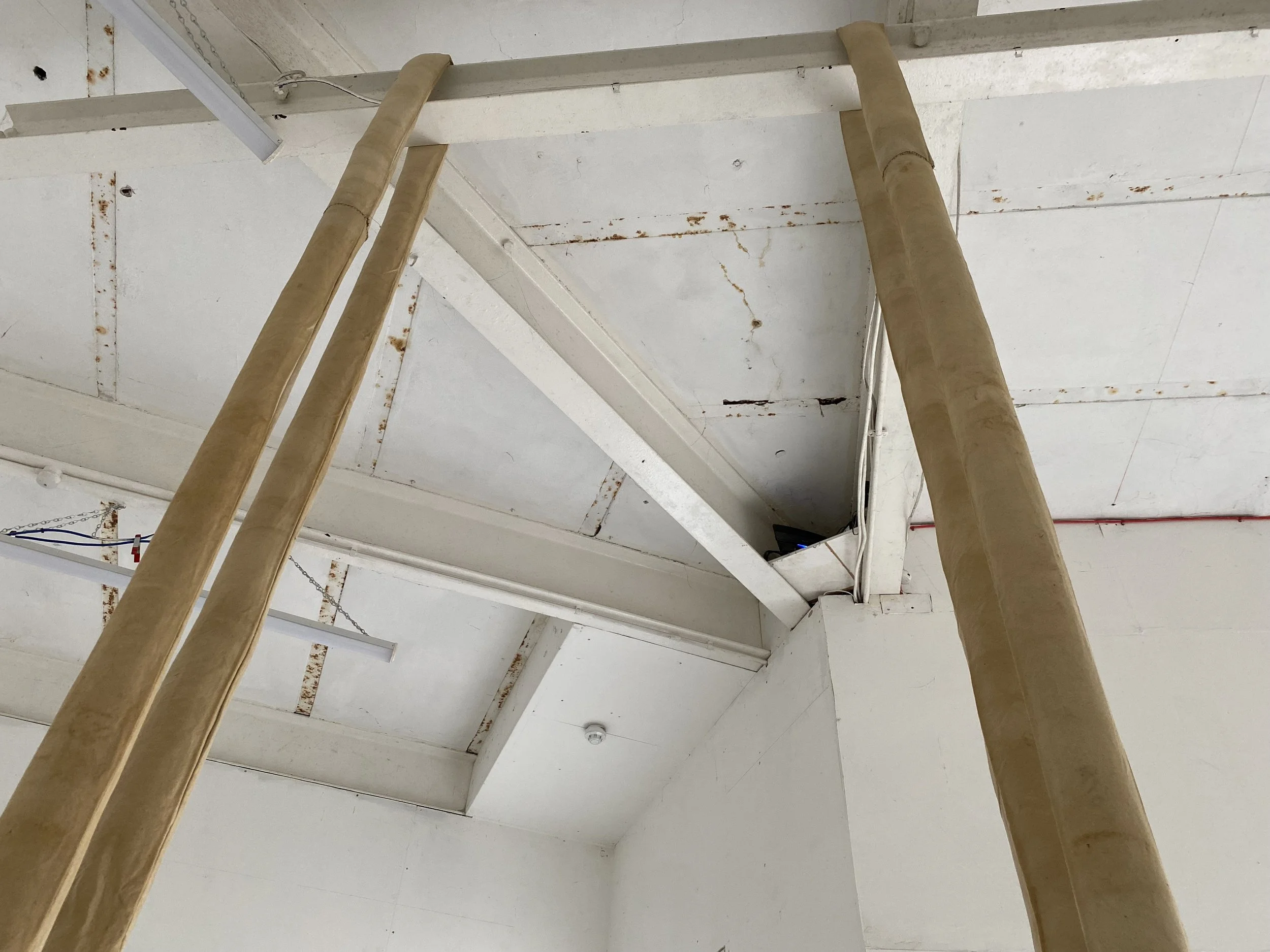
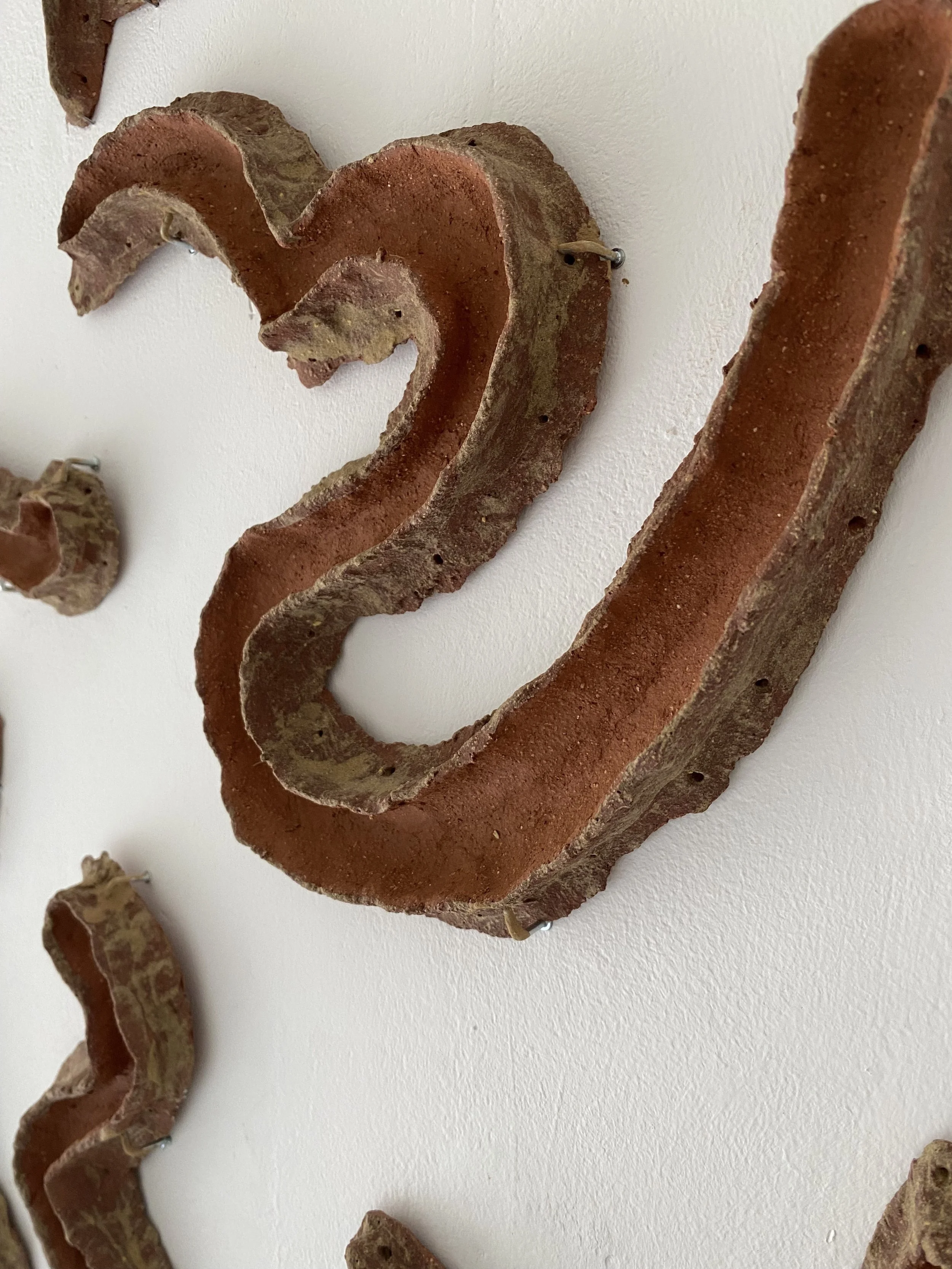
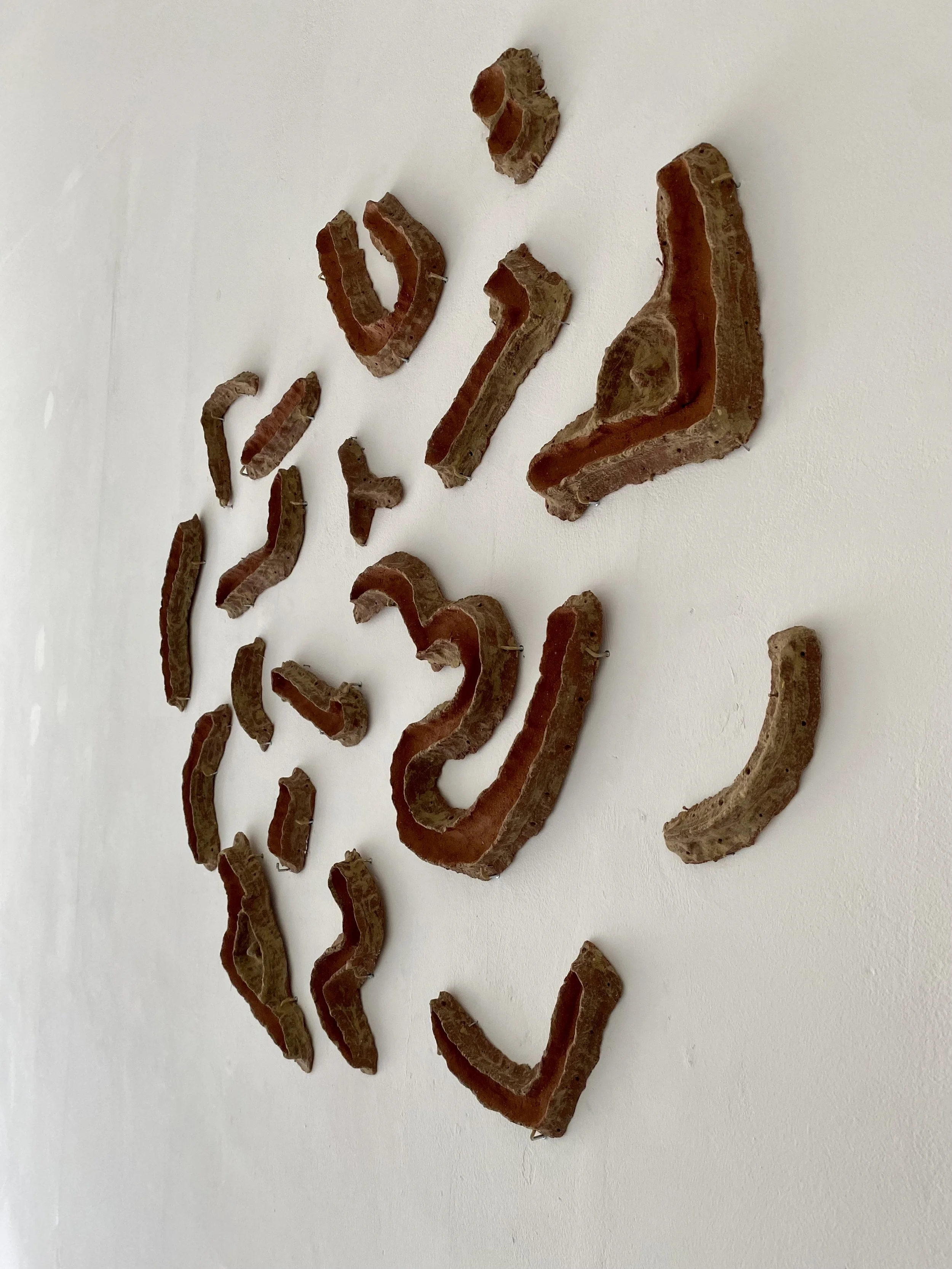
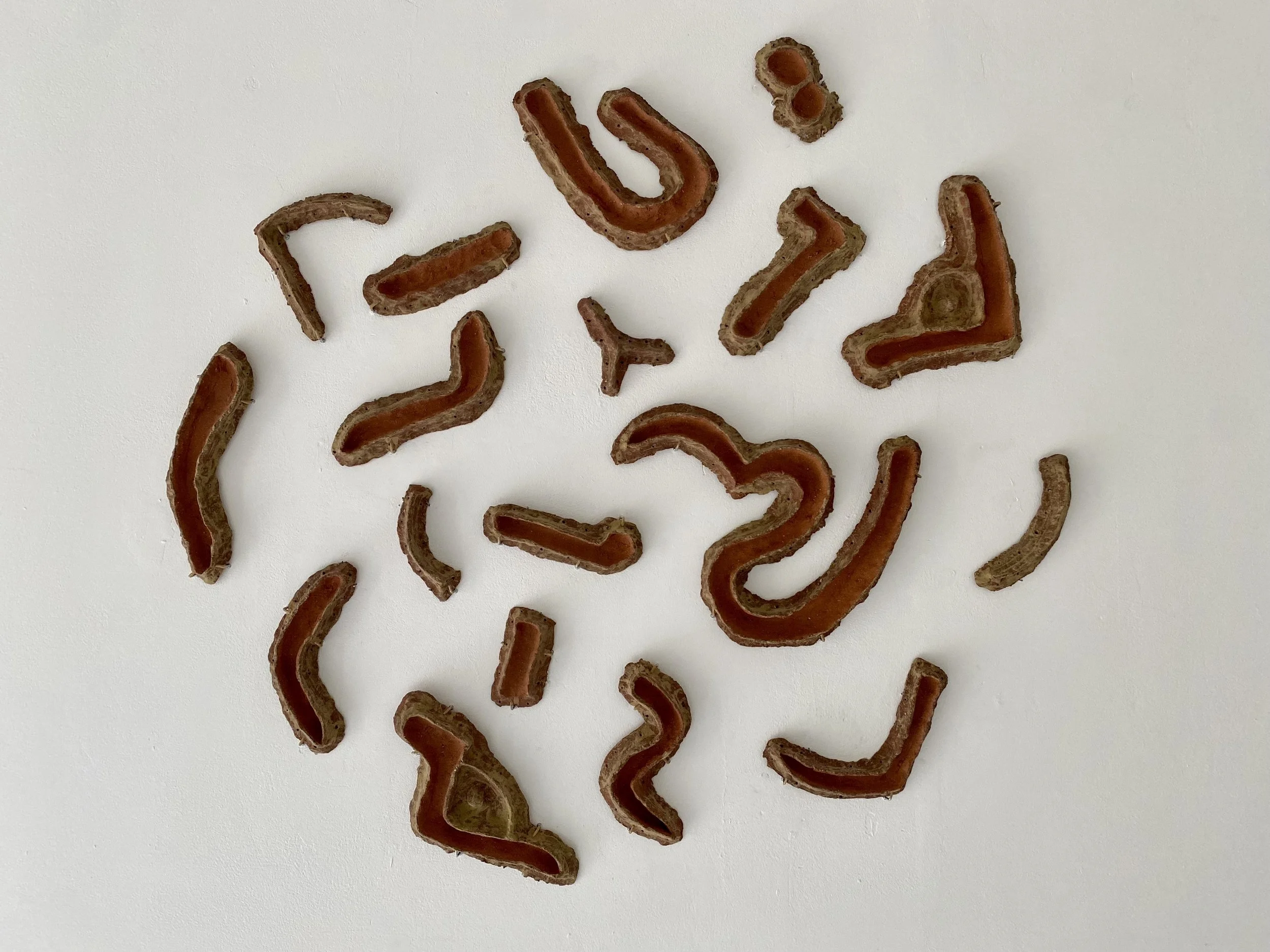
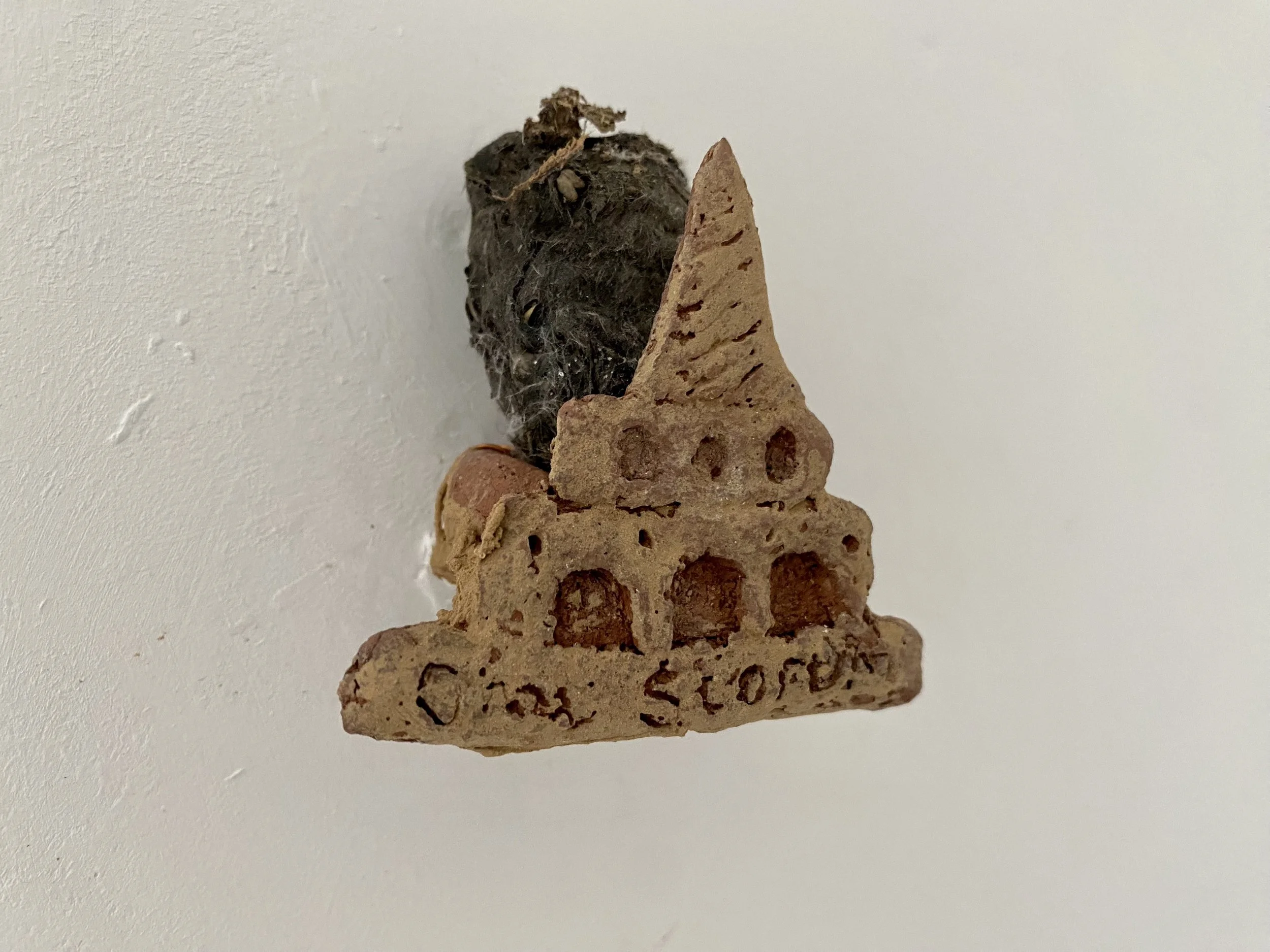
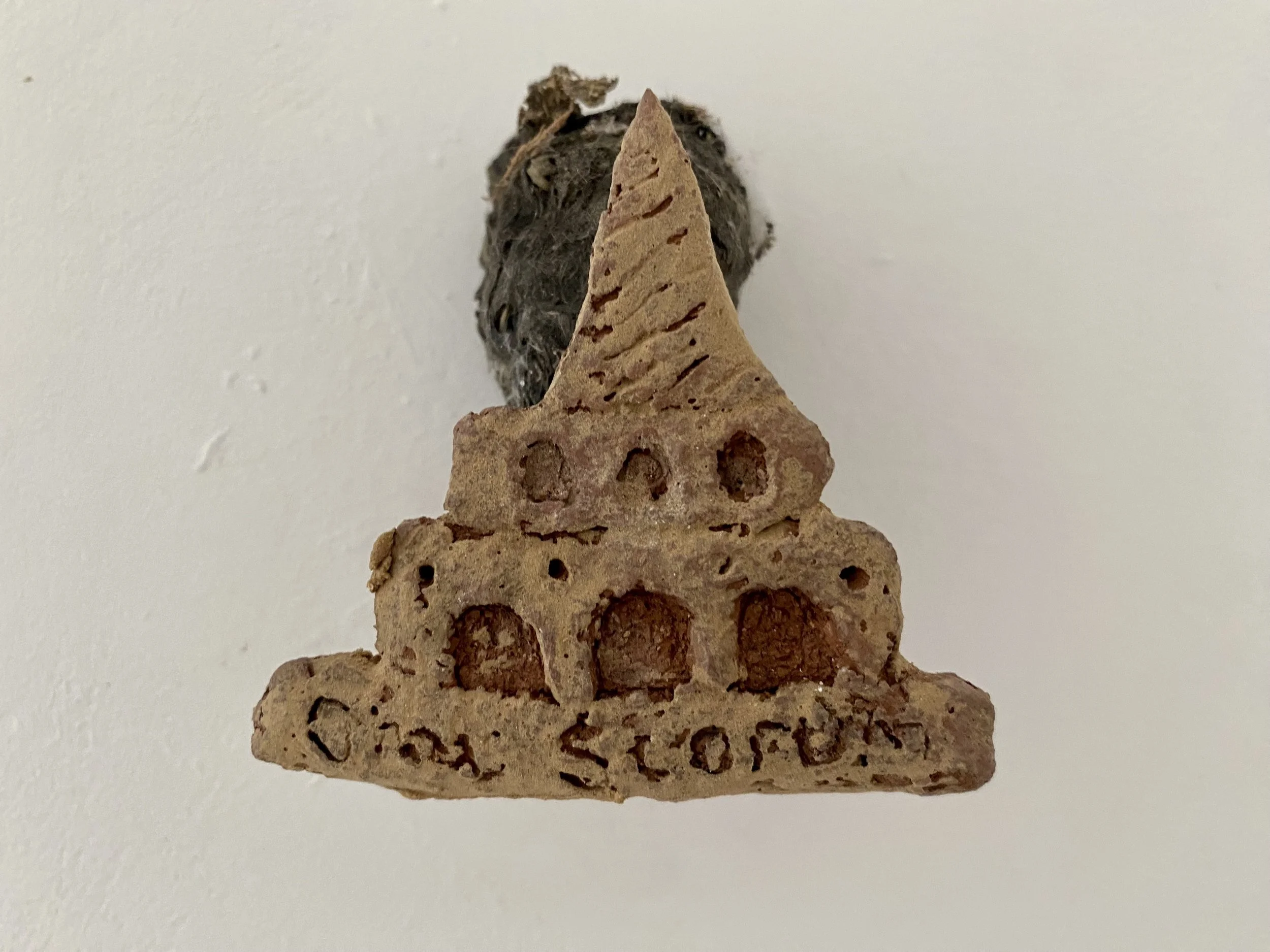
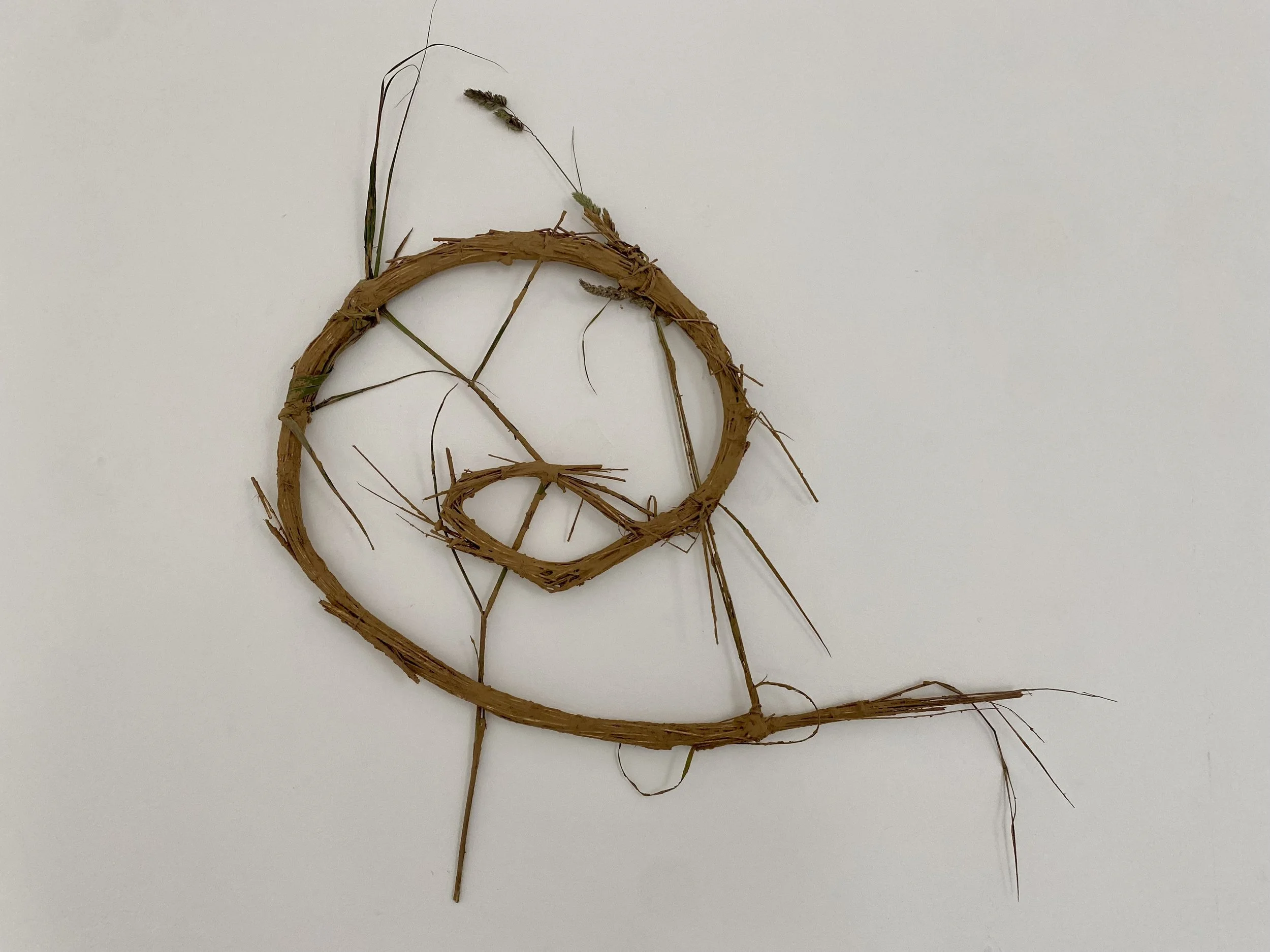
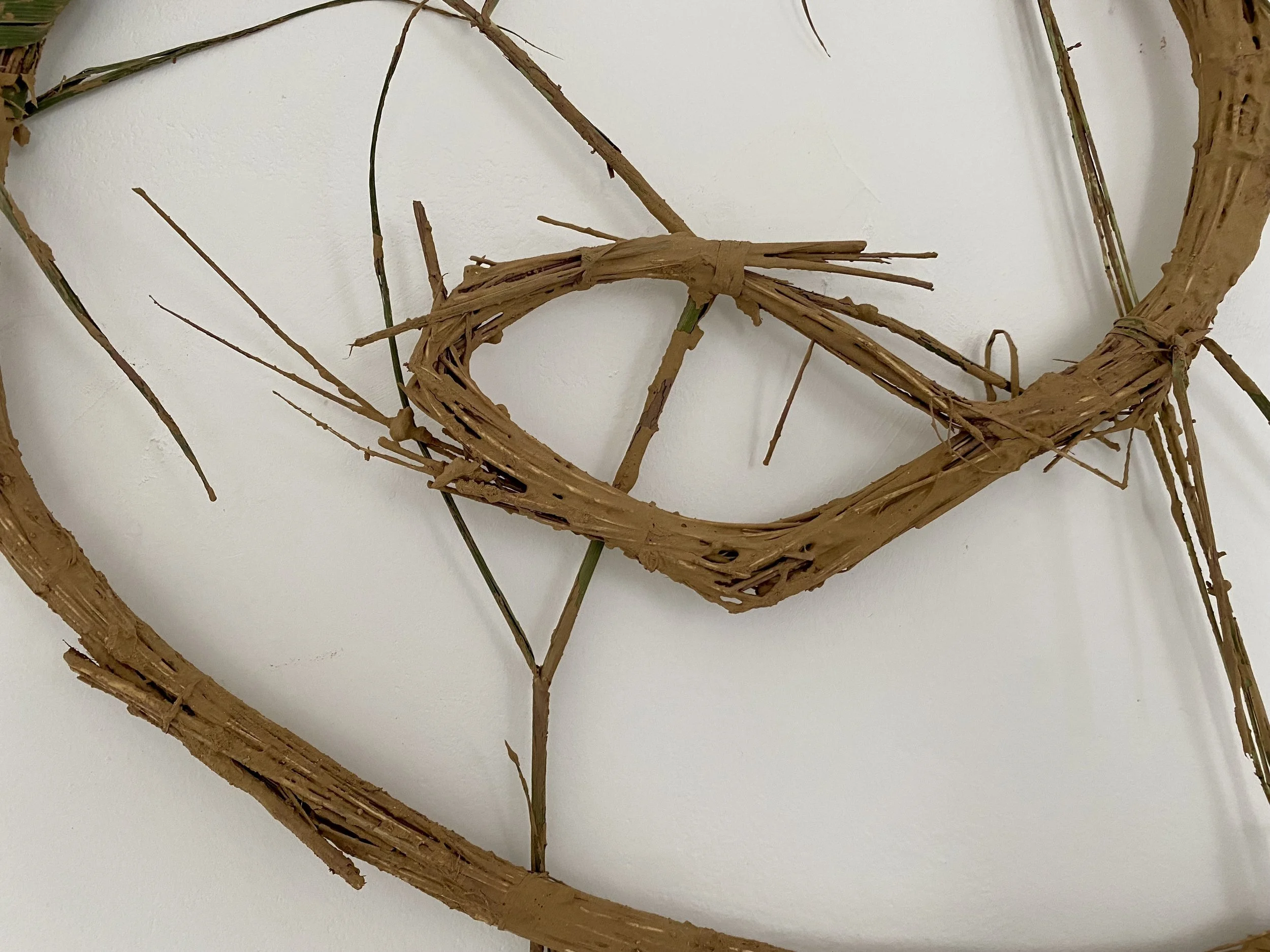
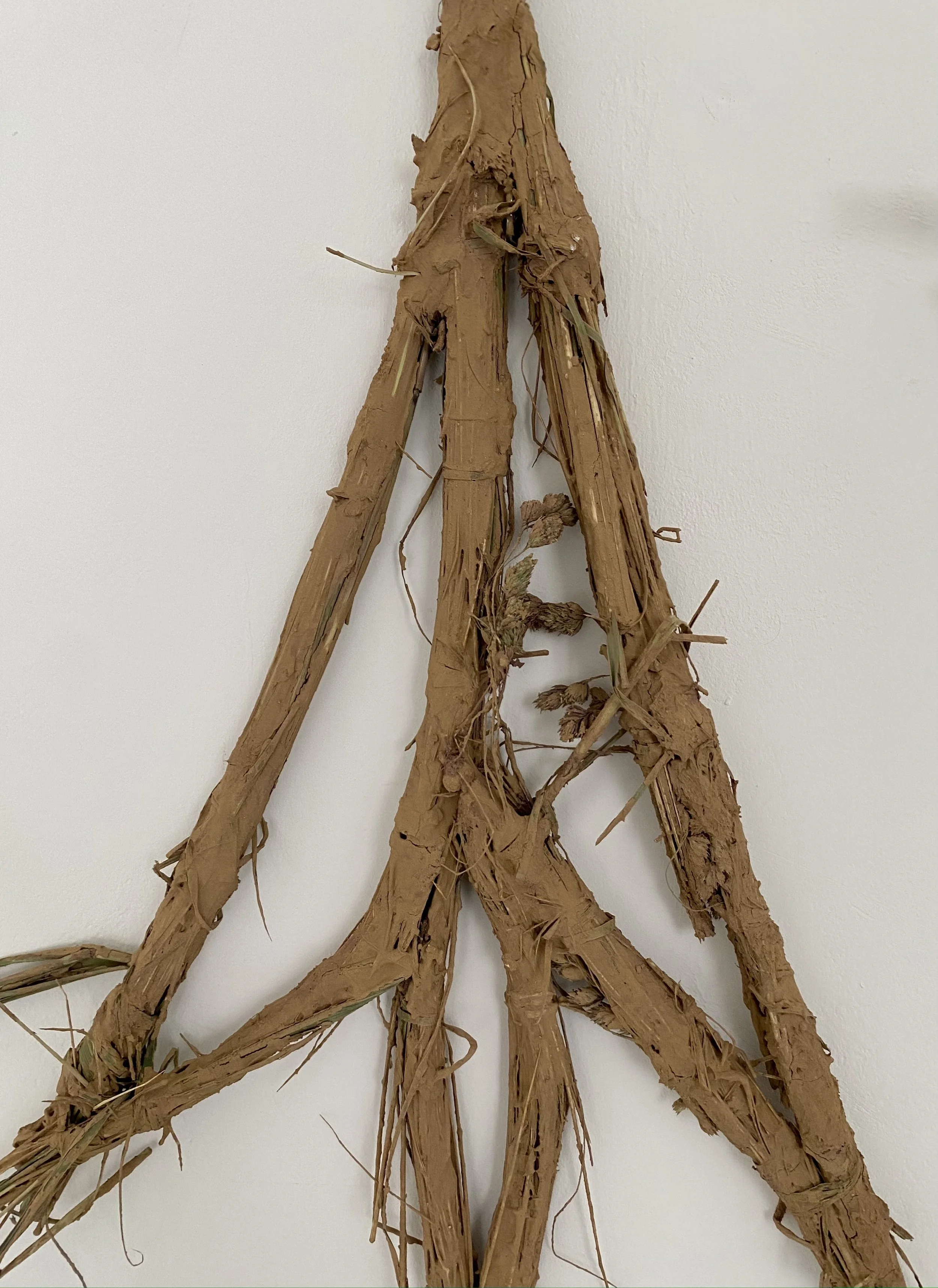
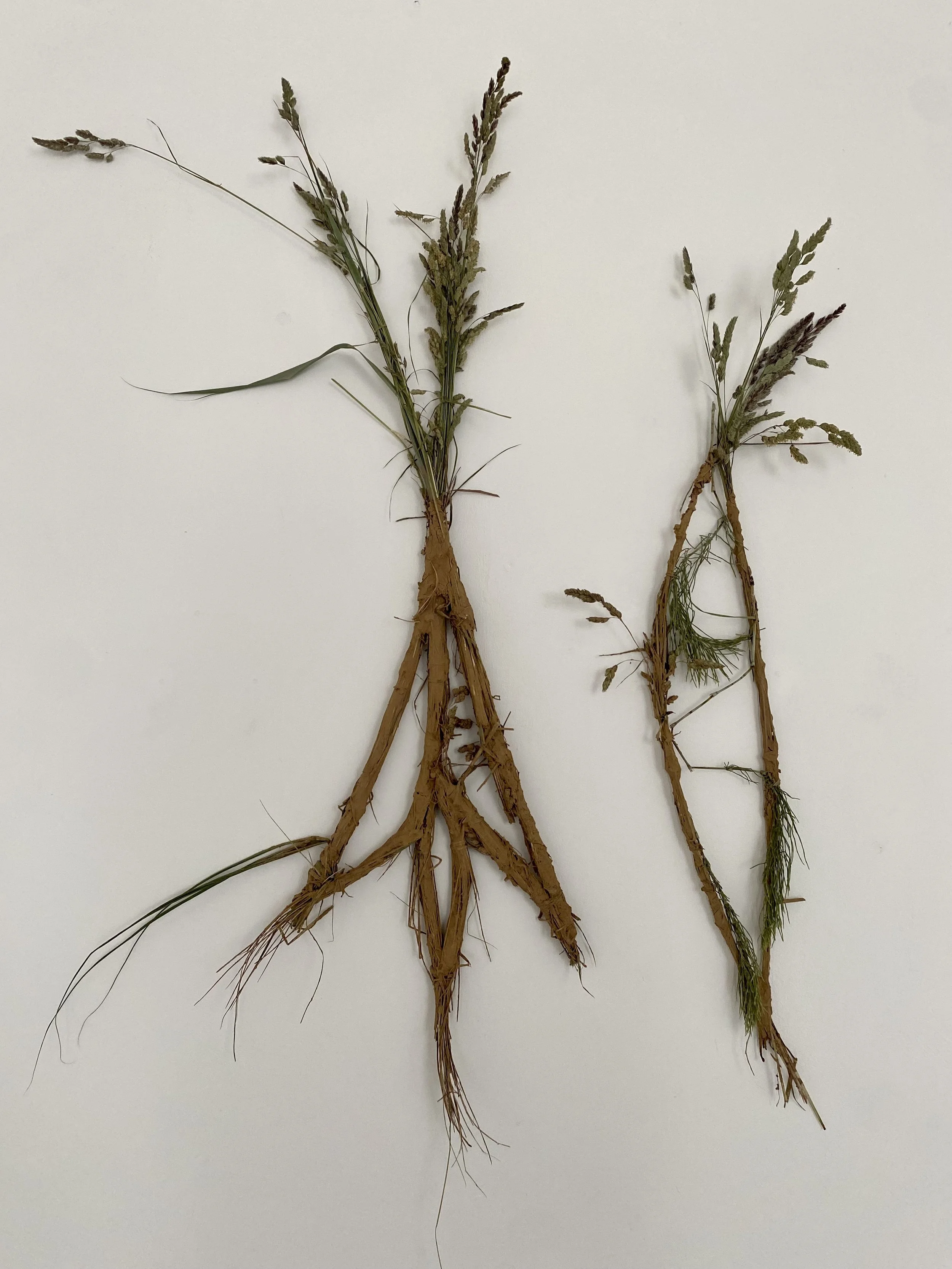
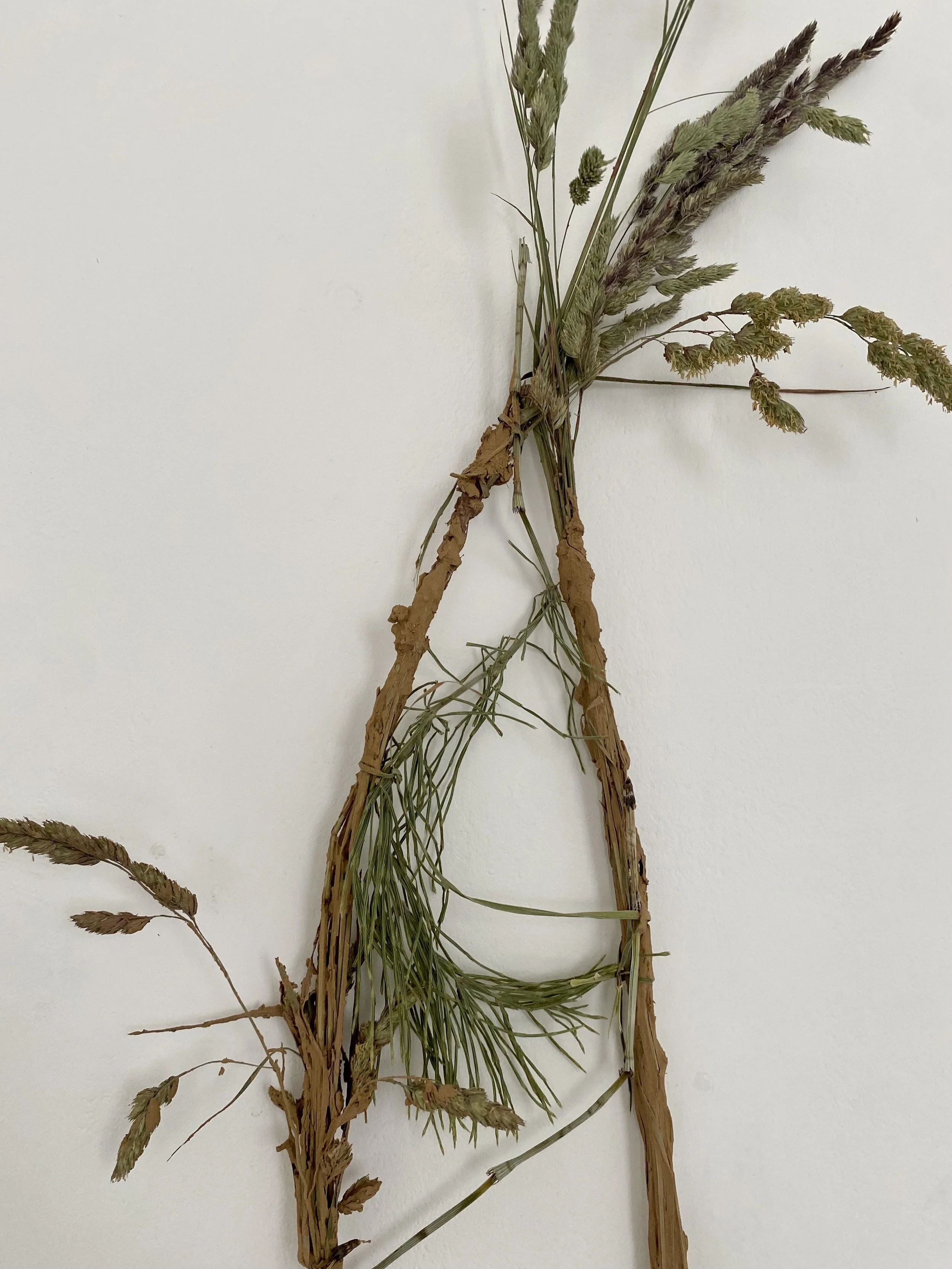
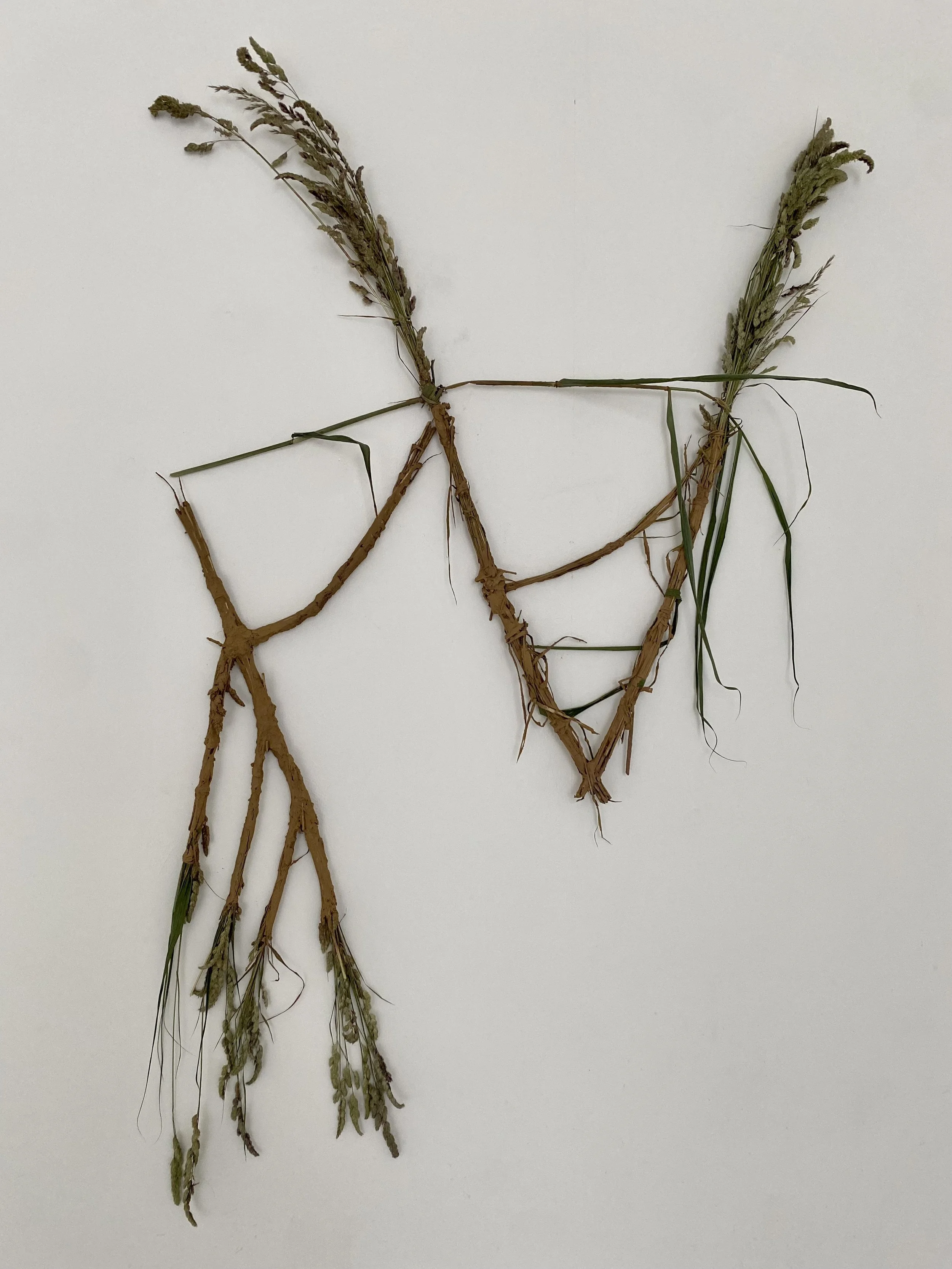
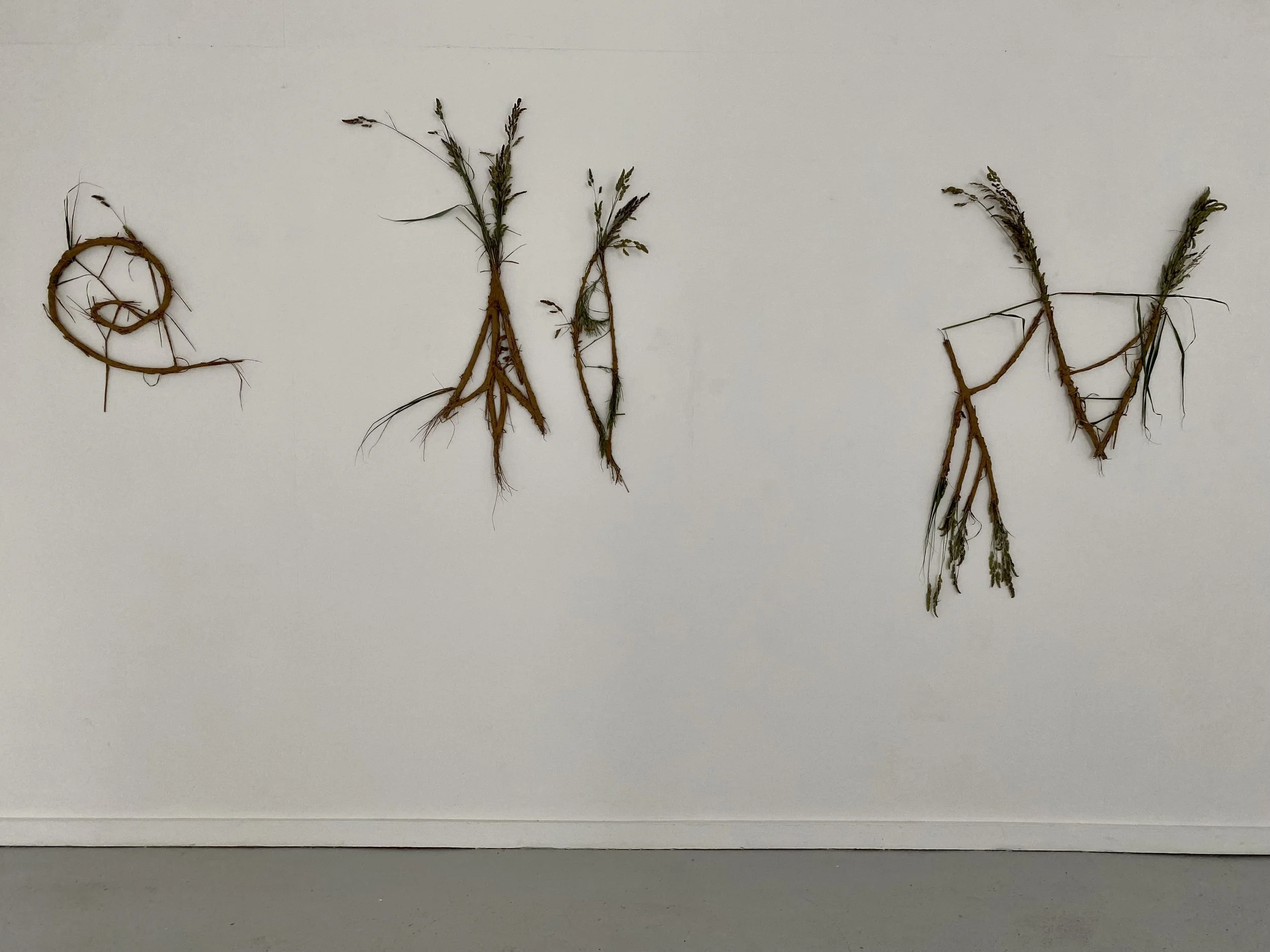
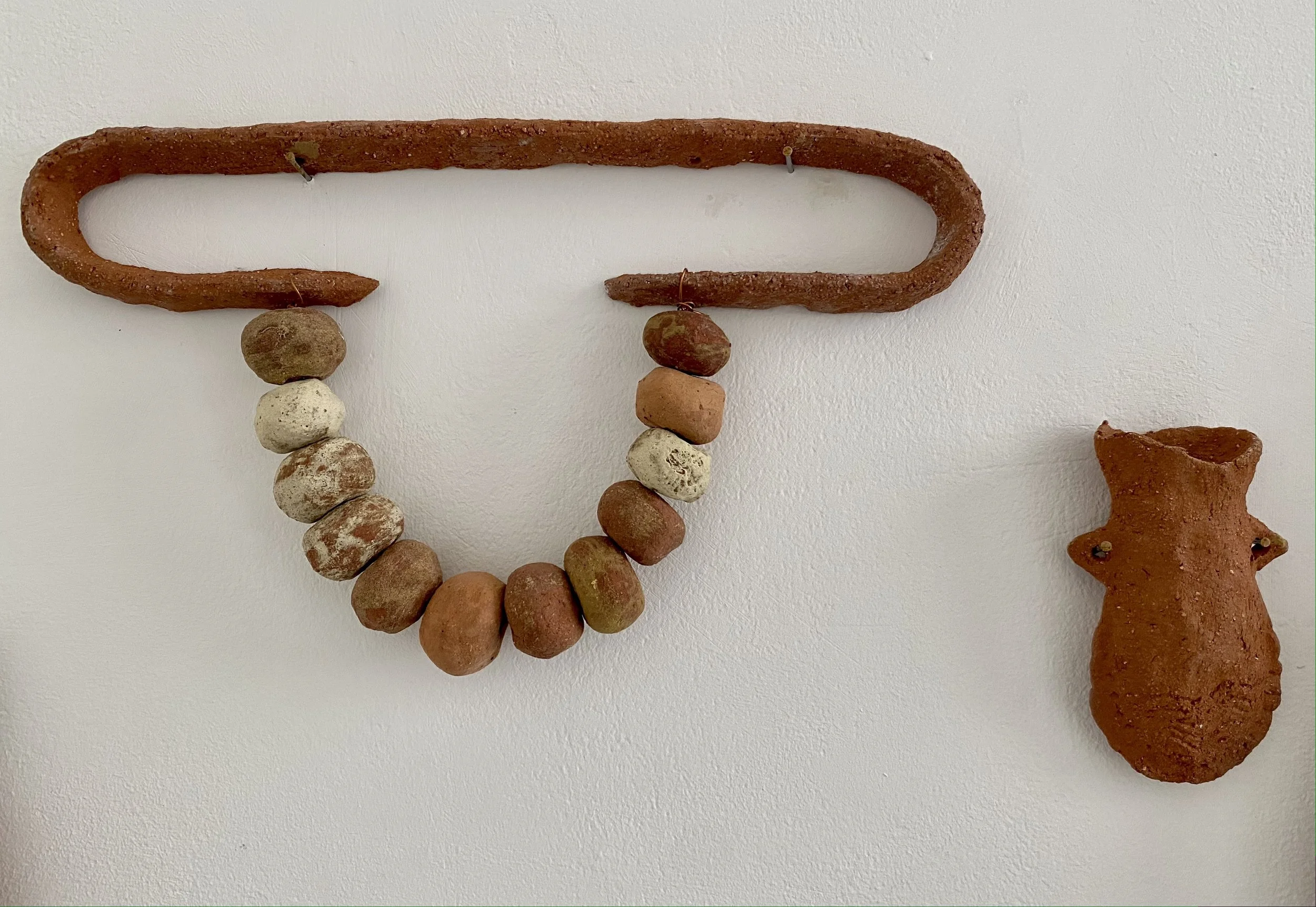
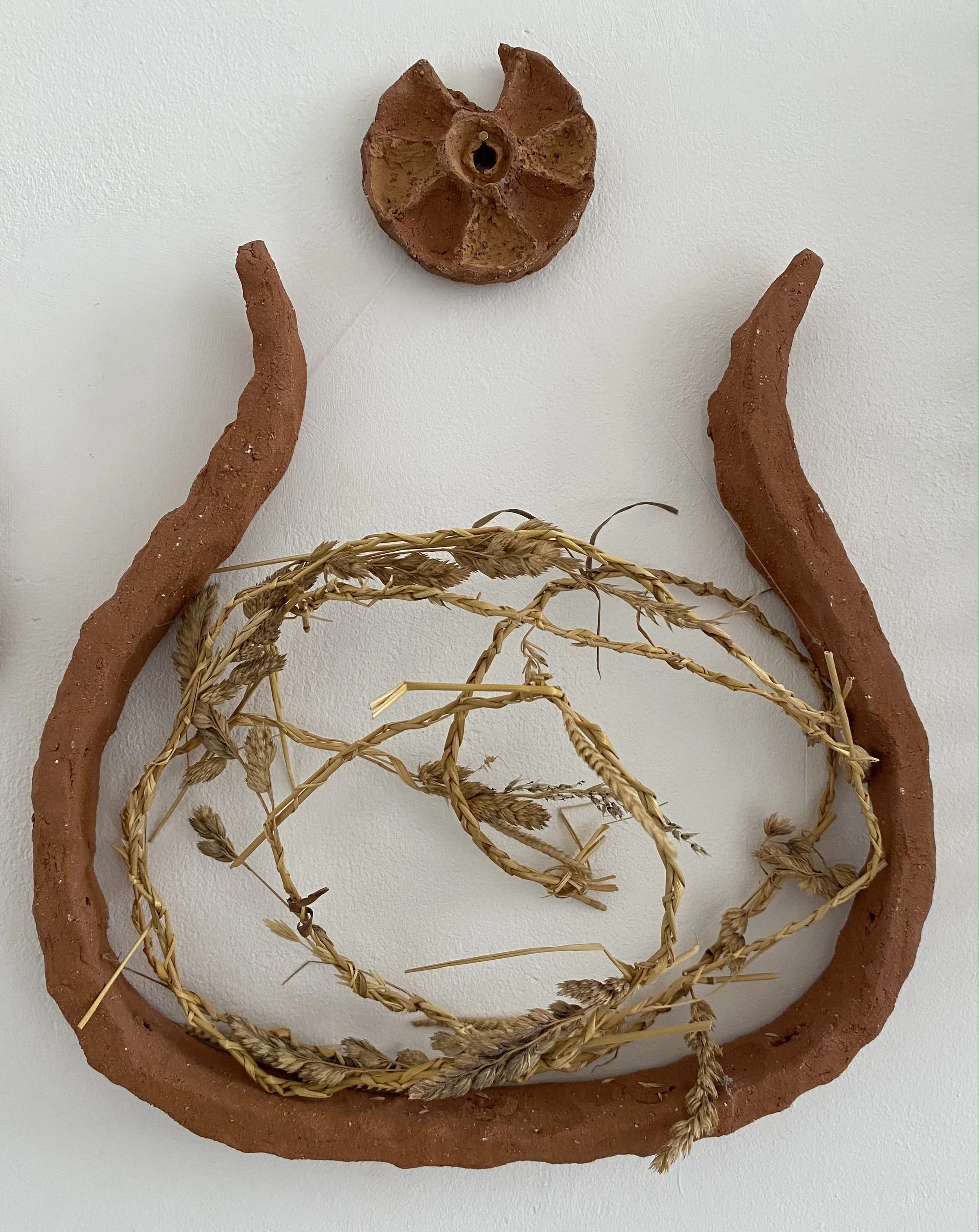
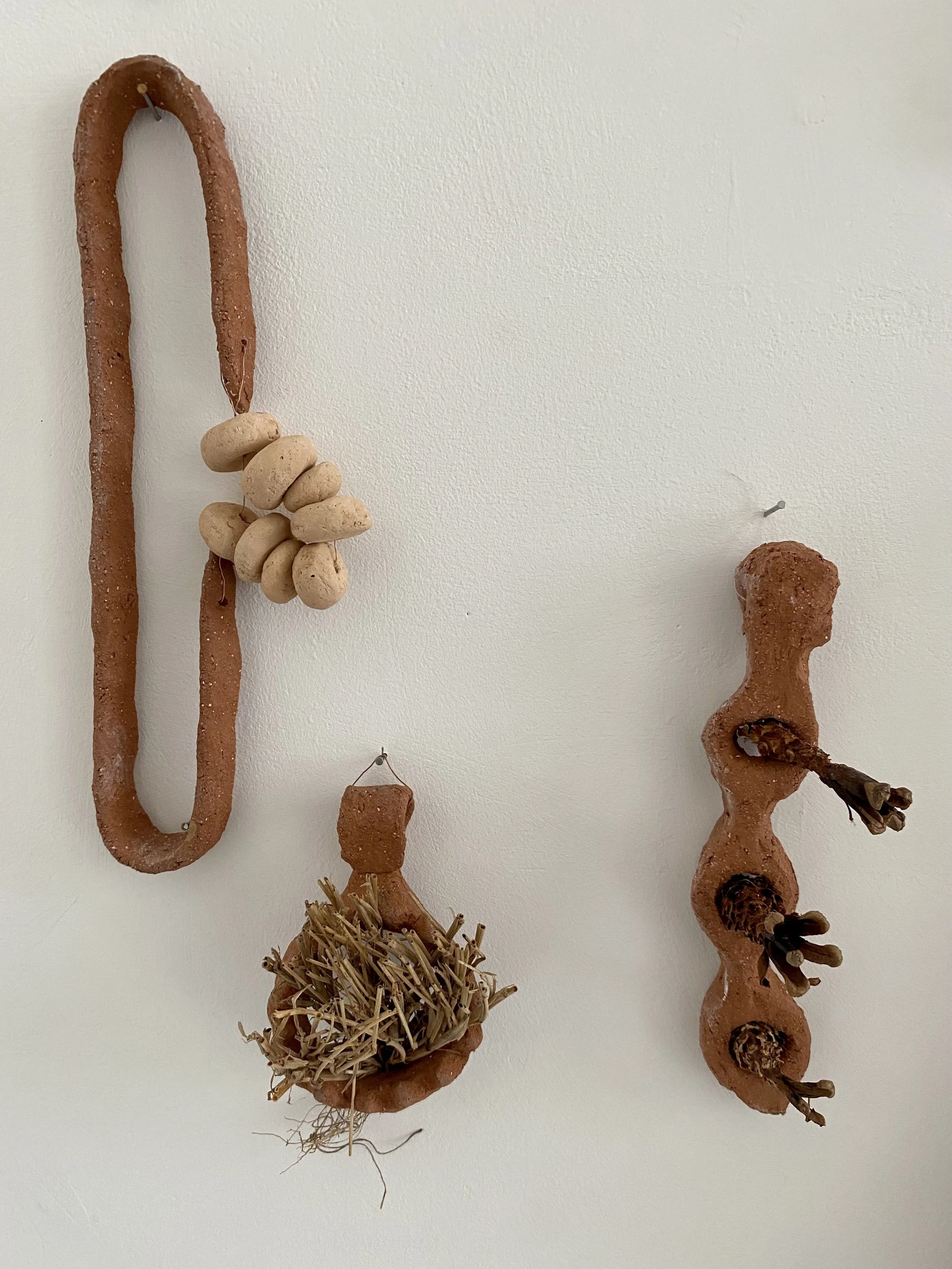
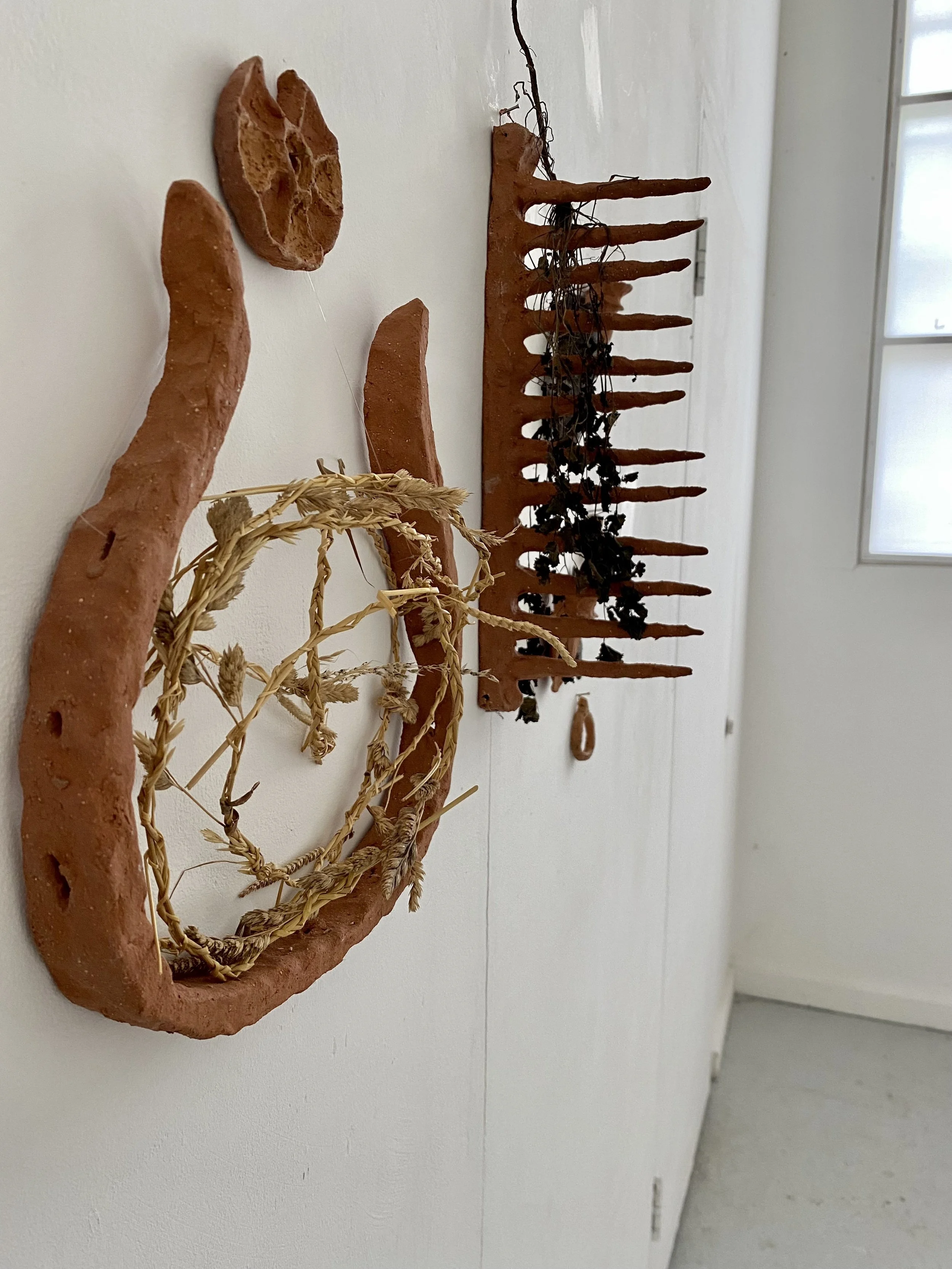
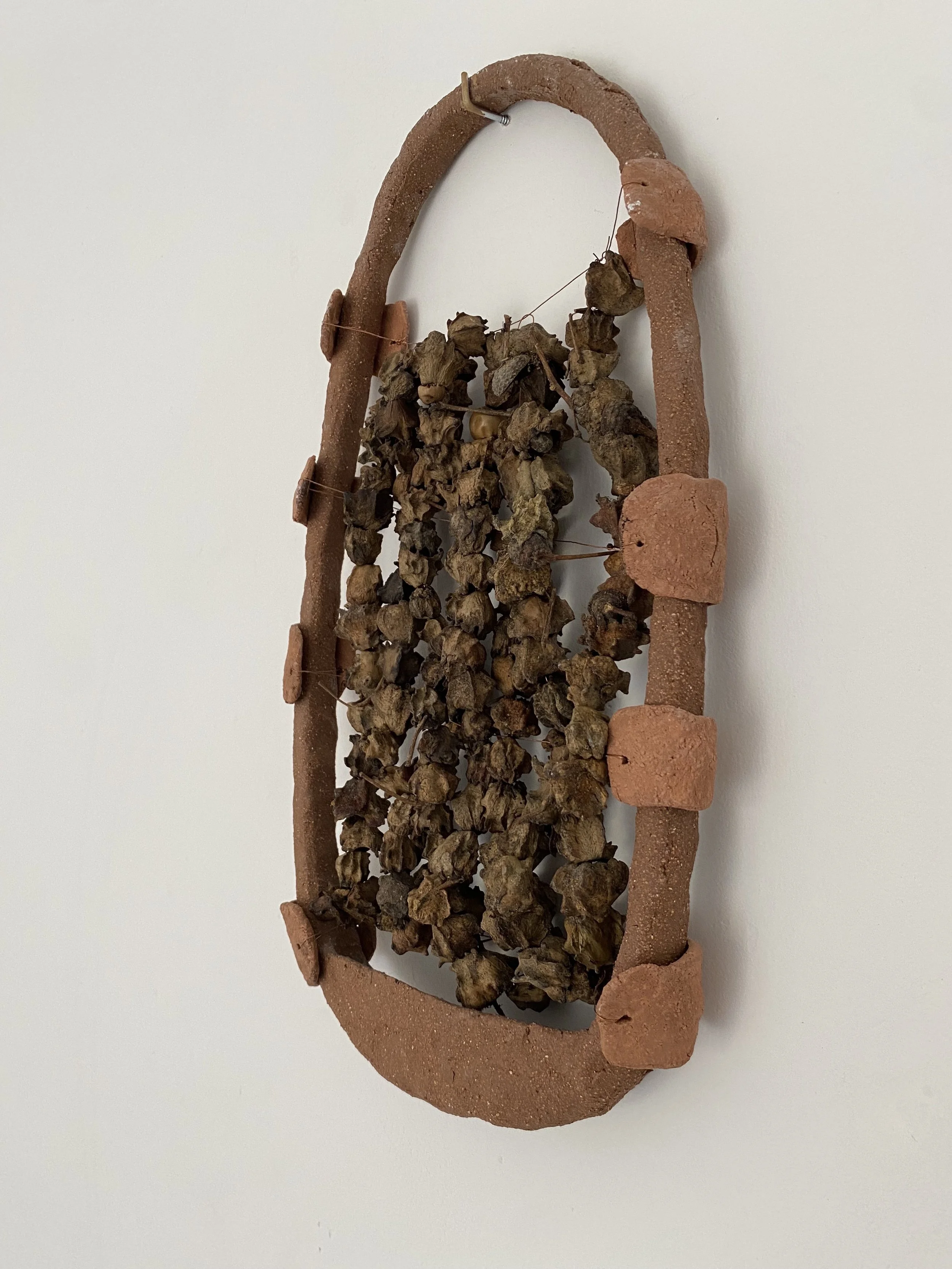
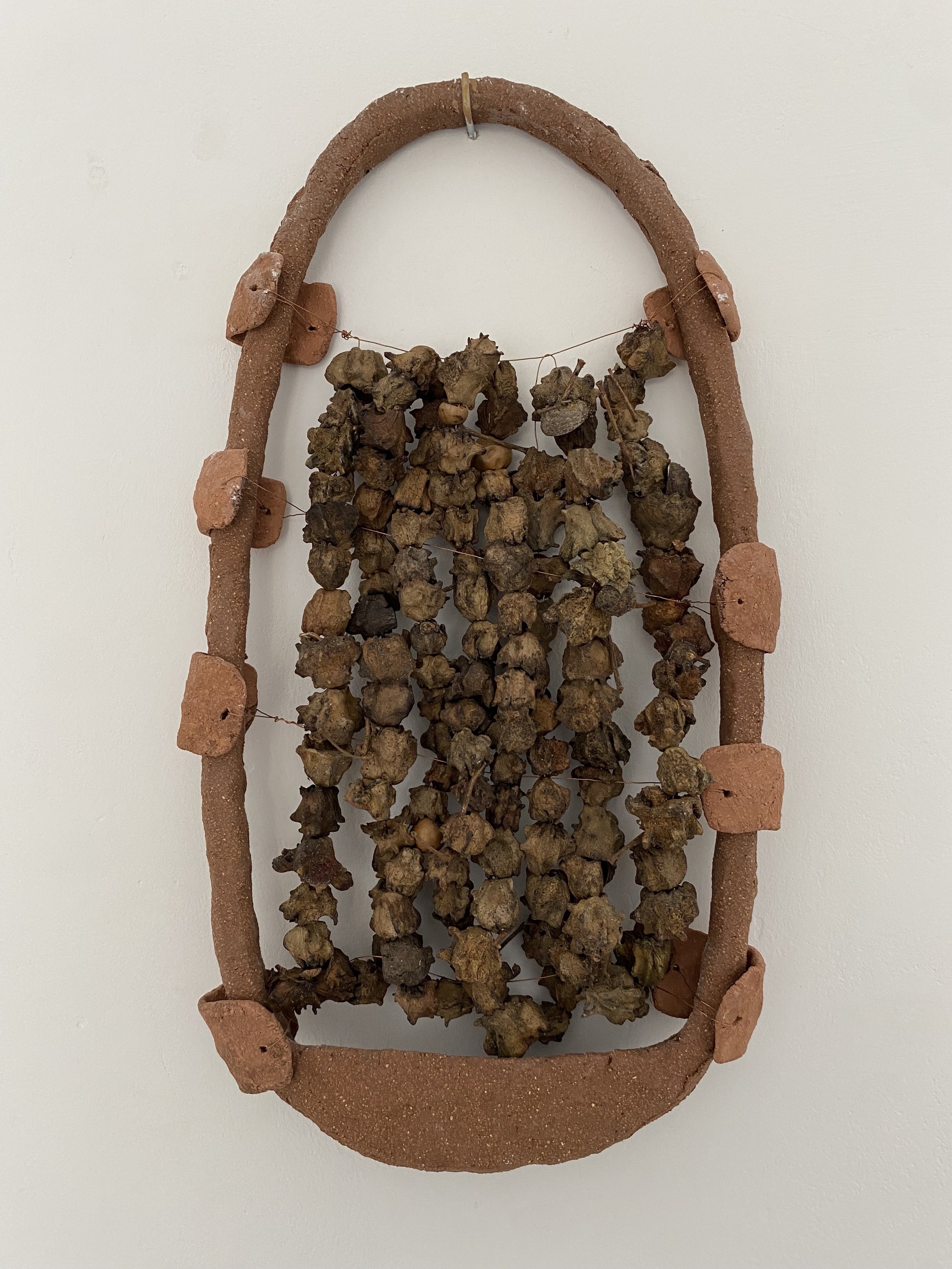
The sequence of work in Gone to Earth is inspired by archaeological finds discovered on Thanet. Their excavation sites speak of the history of the former island, and represent settlements, woodland, and fields lost to historic coastal changes, agricultural practices, and urbanisation. The works are constructed from a mix of unglazed ceramics, locally found vegetal matter, and hand sewn, plant dyed textiles.
Background information
In the Middle Ages there were twelve churches on Thanet. Those at Sarr/Sarre (St Giles), Wode/Woodchurch (St Nicholas), Shuart (All Saints), and Stonore/Stonar (St Nicholas) have long vanished.
Shuart is today designated an abandoned medieval village, depopulated by a combination of the silting up of the Wantsum Channel and the Black Death. It now consists of a couple of farmhouses and some ancient barns.
Sarre, although still a village, was formerly an important crossing point on the Wantsum. It too suffered depopulation through plague and livelihood loss. It is the site of a discovery of a major Anglo Saxon hoard.
Woodchurch was at the heart of woods that once covered Thanet. Today Thanet has one of the lowest tree canopy coverages in the UK: the last oak grove on the island was cleared in the 1700s. Woodchurch is now a scattered settlement, consisting mostly of small-holdings.
Stonar was once a major settlement at the mouth of the Wantsum Channel and in the early medieval era rivalled Sandwich in importance as a port. It was successively ransacked by the French and burned, and then inundated by the sea, transforming into marsh land and salt works until becoming the site of an industrial estate today.
Ozengell is the site of an Anglo Saxon cemetery: hoards of extraordinarily intricate jewellery and grave goods were excavated there in the Victorian period. Today it consists of two old farmhouses, one now delipidated, and is surrounded by new housing estates and ongoing house building on what were, until a couple of years ago, highly productive arable fields.







More Work: